
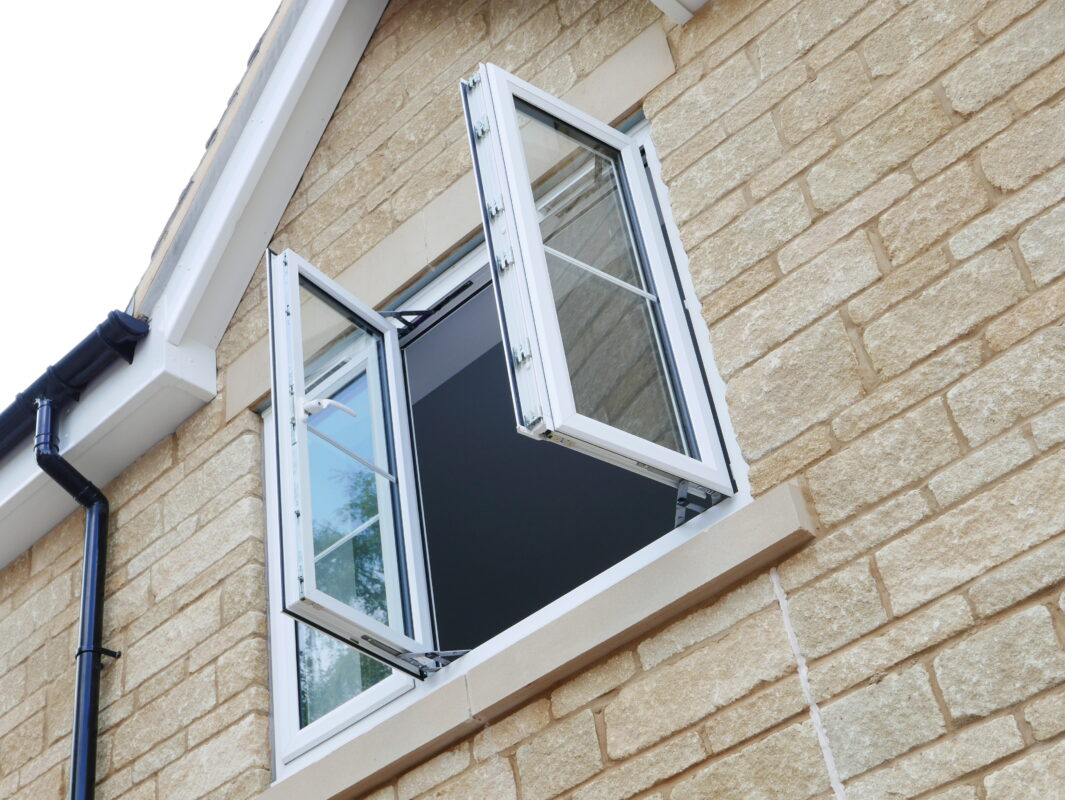
Keeping your home warm, quiet, and energy bills manageable often comes down to one key feature: your windows. Double glazing is a cornerstone of energy efficiency, and knowing when it’s time to replace can save you money, reduce drafts, and improve comfort. In this guide, we’ll explore common signs that your double glazing needs replacing, explain what constitutes energy efficient windows, and provide practical steps to take next.
Introduction: why double glazing matters
Double glazing works by trapping a layer of air or inert gas between two panes of glass, creating a thermal break that minimizes heat transfer. When your windows are in good condition, they help keep heat inside during winter and outside during summer, which translates to lower energy consumption and more stable indoor temperatures. However, over time seals degrade, spacers age, and panes may become distorted or damaged. Recognising the telltale signs early can prevent wasted energy and rising bills.
Visible damage and condensation signs
One of the most obvious indicators that your double glazing may need replacing is physical damage. Look for:
- Cracks or chips in the glass panes
- Damaged or deteriorating seals around the edge of the frame
- Warping or misting that can’t be cleaned away
- Loose or rattling frames
Condensation between panes is a classic warning sign. If you notice persistent fogging or moisture trapped between the panes, it usually means the seal has failed and energy efficient windows are no longer providing the insulation they should.
Drafts and temperature inconsistencies
If you feel chilly drafts around your windows, or rooms take longer to reach a comfortable temperature, your double glazing may be losing its effectiveness. Signs include:
- Noticeable drafts at the edges of the windows
- Cold spots near some windows even when the rest of the house is a comfortable temperature
- Uneven heating across rooms
Energy efficient windows should minimise heat loss, so persistent drafts are a red flag that replacement could be worthwhile. Keep in mind that some draftiness can also stem from improper installation or window frame issues, not just the panes themselves.
Noise reduction performance
Double glazing also reduces external noise. If street noise has become noticeably louder inside your home, or you find yourself turning up the TV volume to compensate, it could indicate degraded window performance. Deterioration in acoustic insulation often accompanies seal leaks or warped panes, both of which undermine energy efficiency.
Utility bills and comfort levels
Energy efficient windows are designed to lower heating and cooling costs. If your energy bills have gradually increased without changes in household usage, and you still feel uncomfortable in your living spaces, it may be time to evaluate your glazing. Compare your heating or cooling cycles over the seasons. If your bills are higher than expected for a similar home, worn-out double glazing could be a contributing factor.
Practical assessment steps you can take
Before arranging quotes, you can do a quick DIY check to gauge whether replacement might be wise:
- Inspect the seals: look for gaps, cracks, or discoloration around the frames.
- Check for condensation: are there persistent fogging issues between panes?
- Feel for drafts: run a hand along the edges of the window to detect air leakage.
- Listen for drafts when closing and opening the window: a squeak or looseness can signal wear.
- Examine the glass for cracking or severe fogging that obscures visibility.
If you’re unsure, a professional energy audit or a double glazing specialist can perform a more thorough assessment, including a thermal imaging scan to detect heat loss patterns and a pressure test to evaluate seal integrity.
What to expect from replacing double glazing
When you replace or upgrade to energy efficient windows, you gain several benefits:
- Improved thermal performance: stronger insulation reduces heat loss and stabilises indoor temperature
- Reduced drafts: better seals and inert gas fills minimise air leakage
- Enhanced sound insulation: newer windows often provide quieter living spaces
- Increased home value: modern, efficient windows can boost property appeal
During the process, you’ll typically choose frame materials (uPVC, timber, aluminium) and glass options (toughened, laminated, or low-emissivity coatings) based on climate, budget, and aesthetic preferences. A reputable installer will ensure proper sealing, correct venting, and appropriate glazing for your home.
How to choose energy efficient windows
If you decide replacement is the right move, keep these tips in mind:
- Look for a high energy rating: check for the BFRC rating (A to G) in the UK; aim for A or higher for best efficiency.
- Consider low-emissivity coatings: these coatings reduce heat transfer and protect furnishings from UV damage.
- Pay attention to glazing gas fills: inert gases like argon or krypton improve insulation, especially in larger panes.
- Ensure airtight installation: proper sealing around frames is crucial to prevent drafts.
- Think about WER and U-values: lower U-values indicate better insulation performance.
Maintenance to prolong life
If replacement isn’t immediately necessary, you can extend the life of your current double glazing with regular maintenance:
- Clean seals with a mild detergent and avoid harsh chemicals that can degrade rubber seals
- Inspect for condensation and address any moisture issues promptly
- Lubricate moving parts with appropriate hardware lubricants to prevent stiffness
- Check for structural movement or misalignment after weather events
Final thoughts: making an informed decision
Deciding whether to replace double glazing comes down to comfort, energy efficiency, and cost considerations. If you notice persistent condensation between panes, visible damage, drafts, or rising energy bills that don’t match your usage, energy efficient windows are likely worth the investment. Replacing them can deliver a noticeable improvement in comfort, reduce energy waste, and increase your property’s value.
In summary:
- Look for clear signs of seal failure, condensation, and physical damage
- Assess drafts, temperature inconsistencies, and noise levels
- Weigh the long-term energy savings against installation costs
- Choose energy efficient windows with appropriate ratings and glazing styles
- Rely on qualified professionals for assessment and installation
By staying vigilant and prioritising energy efficiency, you can keep your home comfortable and economical year after year. If you’re unsure, contact a certified double glazing specialist to perform a thorough assessment and help you understand the best path forward.
Want to know more?
Contact our friendly team at Thermaglaze for a free quote and more information on the perfect solid roof replacement.