
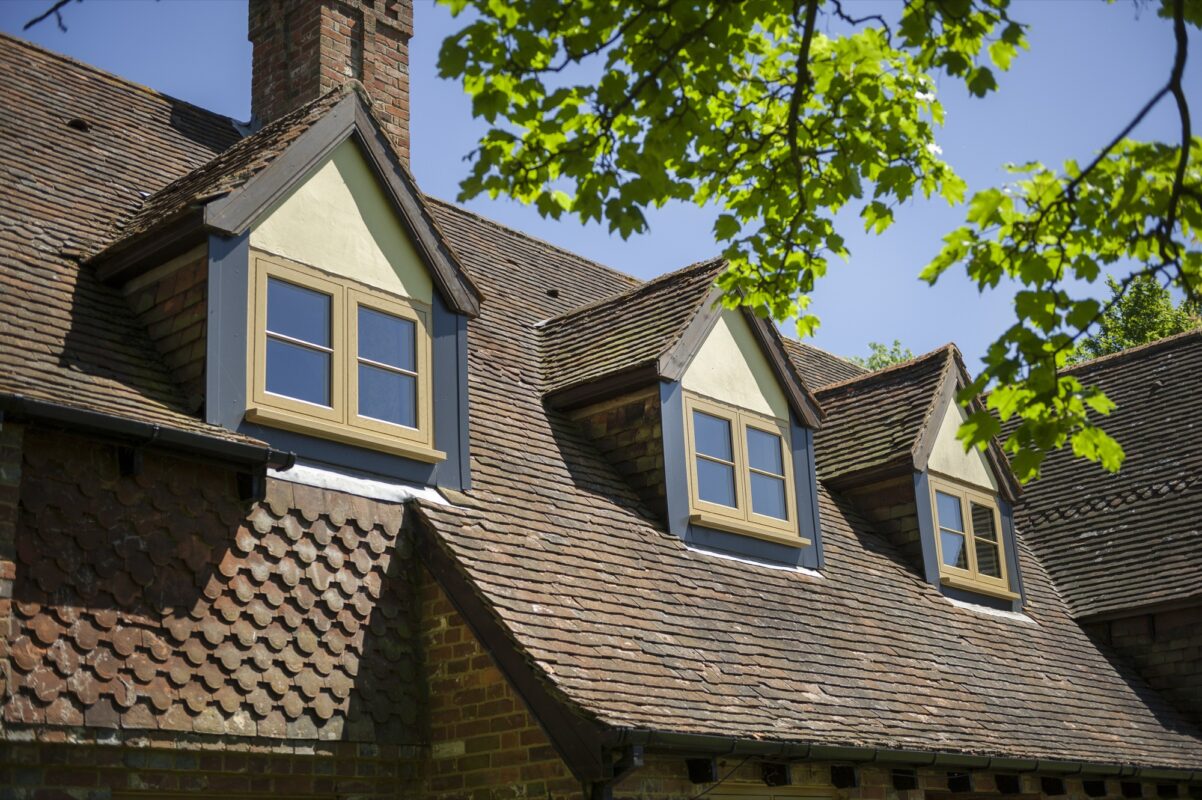
Choosing the right windows can make a big difference to energy bills, indoor comfort, and the overall performance of a home. When you see a claim about energy efficiency, it’s easy to get lost in numbers and jargon. This guide breaks down the key window types and technologies that contribute to energy efficient windows, helping you make an informed decision.
Introduction: Why energy efficiency matters in windows
Windows are a major route for heat gain in summer and heat loss in winter. By selecting energy efficient windows, you can reduce heating and cooling costs, improve indoor comfort, and lessen the environmental footprint of your home. In this article we’ll explore the main types of windows and the features that define energy efficiency.
Gas-filled and insulated glazing: the heart of efficiency
One of the most impactful factors in energy efficient windows is the glazing itself. Double glazing is standard in many homes, but higher performance options exist.
- Double glazing with an inert gas fill (such as argon or krypton) between panes reduces heat transfer.
- Krypton provides stronger insulating performance in narrower gaps, while argon is cost-effective for typical residential builds.
- Some high-performance windows use triple glazing, which adds a third pane and further reduces heat loss.
The overall performance is expressed as a U-value, with lower numbers indicating better insulation. Look for windows with a low U-value and a corresponding low Uw (the overall heat transfer coefficient for the window unit).
Frame materials: wood, uPVC, aluminium, and hybrids
Frame choice influences thermal performance as well as maintenance and aesthetics.
- uPVC frames are common, affordable, and good for energy efficiency, especially when reinforced with insulating materials.
- Wood frames offer excellent insulation and a traditional look but may require more maintenance.
- Aluminium frames are strong and slim but conduct heat more readily unless they include thermal breaks.
- Hybrid frames combine materials to balance thermal performance, durability, and design.
A well-insulated frame reduces heat loss around the edges of the glass, which is often where energy leaks occur. Look for frames with thermal breaks and insulating gaskets.
Low-emissivity coatings: controlling heat without blocking light
Low-emissivity (low-E) coatings are microscopic metal or oxide layers applied to one or more surfaces of the glazing.
- Low-E coatings reflect infrared heat back into the room during winter while allowing visible light to pass through.
- Some coatings help block excess solar radiation in summer, reducing cooling loads.
- Spectrally selective coatings can tailor performance for hot climates or shaded sites.
When evaluating energy efficient windows, check for the presence of low-E or low-E2 coatings, and understand how they interact with your climate and orientation.
Gas fills and spacers: sealing the deal
In addition to the glass, the internal air gap and seals play a critical role.
- The spacer technology between panes affects condensation resistance and thermal performance.
- Desiccant-filled spacers help manage moisture and prevent condensation between panes.
- The use of warm-edge spacers reduces heat loss at the edge of the glass.
Together with a gas fill, these details contribute to a lower Uw value and better overall energy performance.
Ventilation, solar gain, and shading considerations
Energy efficient windows also interact with how you use your home.
- In climates with cold winters, higher solar heat gain can reduce heating requirements if managed correctly.
- In warmer climates, limiting solar gain is important, so solar control and shading strategies matter.
- Window placement, orientation, and the use of external shading can complement the performance of energy efficient windows.
Consider how blinds, curtains, or external shutters will be used to manage heat gain without sacrificing daylight.
Certification and standards: what to look for
To ensure you’re getting genuine energy efficiency, look for independent certification and labels.
- Look for products with certifications such as BSI Kitemark or others that verify thermal performance and air tightness.
- In the UK, Energy Saving Trust and other schemes provide guidance and ratings.
- Always request Uw values, Ugg, and solar heat gain coefficient (SHGC) where relevant, and compare across models.
Energy efficient windows are not one-size-fits-all. Your climate, house orientation, and budget will influence the best choice.
Practical tips for choosing energy efficient windows
- Start with a wall-wide assessment of your current windows: identify drafts, condensation, and glazing performance.
- Prioritise replacing older single-glazed windows with double or triple glazing and consider gas fills.
- Choose frames with thermal breaks and consider hybrid options if you want a balance of style and performance.
- Pair energy efficient windows with proper insulation, reflective or high-performance shading, and efficient glazing to maximise savings.
Real-world applications: case studies and scenarios
Homeowners in temperate climates often benefit from a balanced approach: double glazing with argon, good frames, and thoughtful shading. In hotter regions, triple glazing combined with reflective coatings and external shading can substantially reduce cooling loads. Each scenario demonstrates that the best energy efficient windows are those tailored to specific climate and house design.
Final thoughts
Energy efficient windows are a cornerstone of a comfortable, cost-effective home. By understanding glazing options, frame materials, coatings, and installation details, you can choose windows that keep warmth in during winter, cool air in during summer, and daylight inside without excessive energy use. When you prioritise energy efficient windows, you invest in long-term savings, improved comfort, and a smaller environmental footprint.
Want to know more?
Contact our friendly team at Thermaglaze for a free quote and more information on the perfect solid roof replacement.